
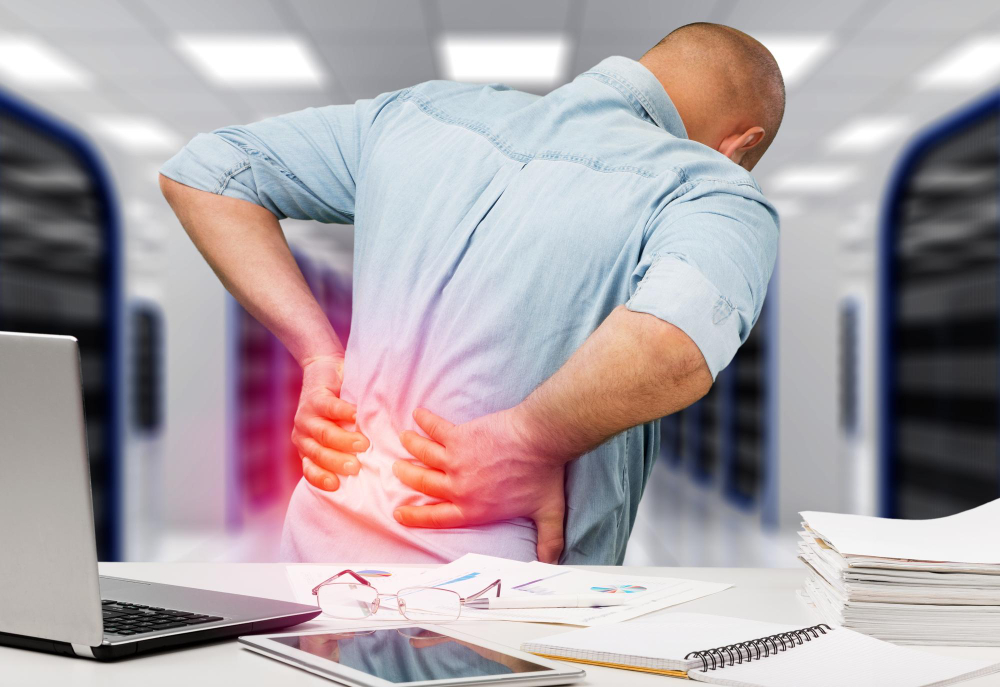
What is a Herniated Disc?
A herniated disc is a common spine problem. It happens when the soft center of a spinal disc pushes out through a crack in the tougher outer layer. This can press on nearby nerves. As a result, you may feel pain, numbness, or weakness. Many people call it a slipped or ruptured disc. However, the disc does not actually slip out of place. Instead, the inner gel leaks out. This condition often affects the lower back, but it can also happen in the neck. According to the CDC, herniated discs are a leading cause of back pain in adults.
Common Symptoms of Herniated Disc
Not everyone with a herniated disc has symptoms. Yet, when symptoms appear, they can affect daily life. For example, you may notice:
Sometimes, symptoms depend on where the herniated disc is located. For instance, a disc in the lower back may cause leg pain, while one in the neck may affect the arms.
Causes and Risk Factors
There are several reasons why a herniated disc may occur. Most often, it is due to wear and tear from aging. But, other factors can also play a role. Here are some common causes and risk factors:
Because these factors add stress to the spine, they increase the risk of a herniated disc. Even so, not everyone with these risks will develop the condition.
How is a Herniated Disc Diagnosed?
Doctors use several steps to diagnose a herniated disc. First, they ask about your symptoms and medical history. Next, they perform a physical exam to check for pain, weakness, or numbness. If needed, your doctor may order tests, such as:
With these tests, doctors can confirm if you have a herniated disc and decide on the best treatment plan.
Treatment Options for Herniated Disc
Many people recover from a herniated disc without surgery. In fact, most cases improve with simple treatments. Here are some common herniated disc treatment options:
However, if symptoms do not improve after several weeks, surgery may be considered. Surgery is usually a last resort. It may involve removing part of the herniated disc to relieve pressure on nerves. According to the WHO, surgery is safe and effective for most people who need it.
Prevention Tips and Lifestyle Guidance
While you cannot always prevent a herniated disc, you can lower your risk. Try these tips for a healthier spine:
By following these steps, you can help prevent herniated disc problems and support your overall spine health.
Consult an orthopedic specialist Dr. Manmeet for personalized advice on herniated disc management.