What Are Sports Injuries?
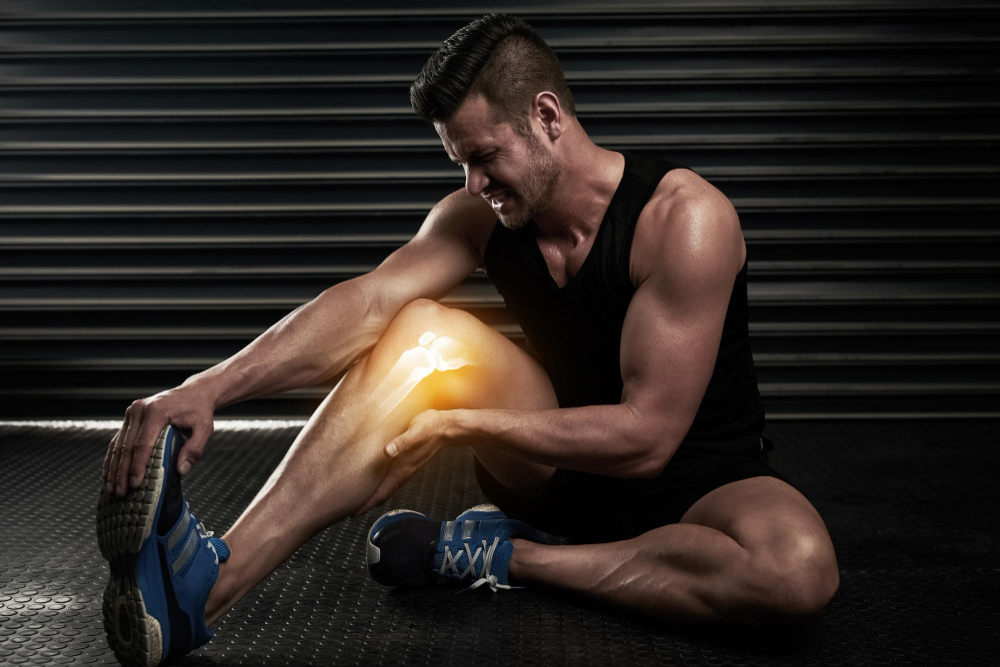
Sports injuries happen when you hurt your body during exercise or sports. These injuries can affect muscles, bones, joints, or tendons. For example, a twisted ankle or a pulled muscle are common types. Many people visit sports injury clinics to get help. While some injuries are minor, others may need special care from orthopedic sports medicine experts. Often, sports injuries can slow you down, but with the right steps, you can return to your favorite activities.
Common Symptoms of Sports Injuries
After a sports injury, you may notice several signs. Sometimes, symptoms appear right away. Other times, they develop slowly. Knowing what to look for can help you get the right care quickly. For instance, you might feel pain or see swelling. In addition, you could have trouble moving the injured area. Here are some common symptoms:
If you notice any of these signs, it is important to rest and seek advice from a healthcare provider.
Main Causes of Sports Injuries
Many things can lead to sports injuries. Sometimes, accidents happen during play. However, poor technique or using the wrong gear can also cause harm. In many cases, not warming up makes injuries more likely. Here are some main causes:
Because these causes are common, being aware can help you avoid injury. For example, always check your shoes and gear before playing.
How Sports Injuries Are Diagnosed
When you visit a doctor for a sports injury, they will ask about your symptoms. Next, they may check how you move and feel the injured area. Sometimes, they use tests like X-rays or MRI scans. These tests help find broken bones or soft tissue damage. In many sports injury clinics, doctors use these tools to make a clear diagnosis. As a result, you get the best treatment plan for your needs.
Treatment Options for Sports Injuries
Treating sports injuries depends on how serious they are. For mild injuries, rest and ice can help. However, some injuries need more care. Orthopedic sports medicine doctors may suggest different treatments, such as:
Because each injury is unique, your doctor will guide you on the best path to recovery.
Steps for Effective Recovery and Rehabilitation
After a sports injury, following a recovery plan is key. Early steps often focus on reducing pain and swelling. As you heal, you will work on moving the injured area again. For example, physical therapy can help you regain strength and flexibility. Here are some important steps:
With patience and the right support, sports injury recovery can lead you back to full performance.
Tips for Preventing Sports Injuries
Preventing sports injuries is possible with a few simple habits. First, always warm up before activity. In addition, use the right gear for your sport. Here are more tips to help you stay safe:
Because prevention is easier than treatment, these steps can help you avoid time away from your favorite activities.
Lifestyle Guidance for Active Individuals
Staying active is great for your health. However, it is important to balance activity with care. For example, eat a healthy diet to support your muscles and bones. In addition, get enough sleep to help your body recover. Here are some lifestyle tips for active people:
By following these tips, you can enjoy sports and reduce your risk of injury. Remember, caring for your body helps you perform at your best.
Start your journey towards better health with expert care by Dr.Manmeet