
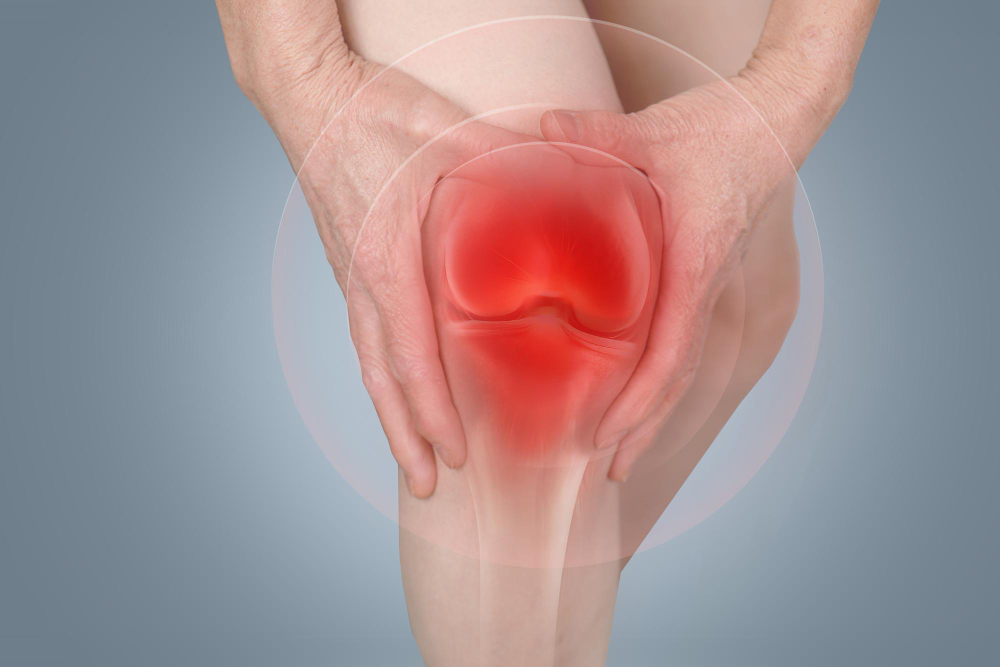
What Is a Meniscus Tear?
A meniscus tear is a common orthopedic knee injury. The meniscus is a C-shaped piece of cartilage in your knee. It acts as a cushion between your thigh bone and shin bone. When you twist or turn your knee suddenly, the meniscus can tear. This often happens during sports or after a fall. However, anyone can get a meniscus tear, not just athletes. In many cases, people notice knee pain after injury, along with swelling or a clicking sound. The meniscus helps your knee move smoothly, so a tear can make daily activities harder.
Common Symptoms of a Meniscus Tear
After a knee injury, you may wonder if you have a meniscus tear. Many people notice signs right away, but sometimes symptoms appear later. For example, you might feel pain or hear a swollen knee clicking sound. Below are common symptoms:
Sometimes, symptoms are mild at first. Yet, they can get worse if you keep using your knee. If you notice these signs, it is wise to see a doctor.
Causes and Risk Factors
Meniscus tears often happen during activities that put pressure on the knee. For instance, sudden stops, turns, or squats can cause a tear. Sports like soccer, basketball, and football have higher risks. Even so, everyday movements can also lead to injury. As people age, the meniscus gets weaker, making tears more likely.
Some risk factors include:
In addition, people with arthritis may have a higher chance of tearing the meniscus. Knowing your risks can help you protect your knees.
How Meniscus Tears Are Diagnosed
Doctors use several steps to diagnose a meniscus tear. First, they ask about your symptoms and how the injury happened. Next, they check your knee for swelling, tenderness, and movement. Often, doctors use special tests to see if your knee locks or clicks. If needed, they may order imaging tests. For example, an MRI scan can show a meniscus tear clearly. X-rays do not show cartilage, but they can rule out broken bones. In some cases, doctors in cities like New York or Los Angeles use advanced scans for better results. Early diagnosis helps guide the best meniscus tear treatment options.
Treatment Options for Meniscus Tears
Treatment depends on the size and location of the tear. Your age, activity level, and symptoms also matter. Many meniscus tears heal with simple care. However, some need more support. Here are common meniscus tear treatment options:
Doctors usually try non-surgical treatments first. Yet, if your knee keeps locking or pain does not improve, surgery may help. The choice depends on your needs and the advice of your orthopedic knee injury specialist.
Recovery and Lifestyle Tips
Recovery from a meniscus tear takes time, but most people get better with care. At first, you may need to rest and avoid heavy activity. However, gentle movement is important to keep your knee flexible. Physical therapy helps you regain strength and balance. In addition, following your doctor’s advice can speed up healing.
Helpful tips for recovery include:
Even after recovery, it is wise to protect your knee during activities. If you notice new pain or swelling, tell your doctor right away.
Preventing Meniscus Injuries
While not all meniscus tears can be prevented, you can lower your risk. For example, warming up before exercise helps prepare your muscles and joints. Using proper techniques during sports also protects your knees. In addition, keeping your leg muscles strong supports your knee.
To help prevent meniscus injuries, try these tips:
Finally, listen to your body. If your knee feels sore or weak, take a break. Early care can prevent bigger problems later on, consult Dr. Manmeet.