
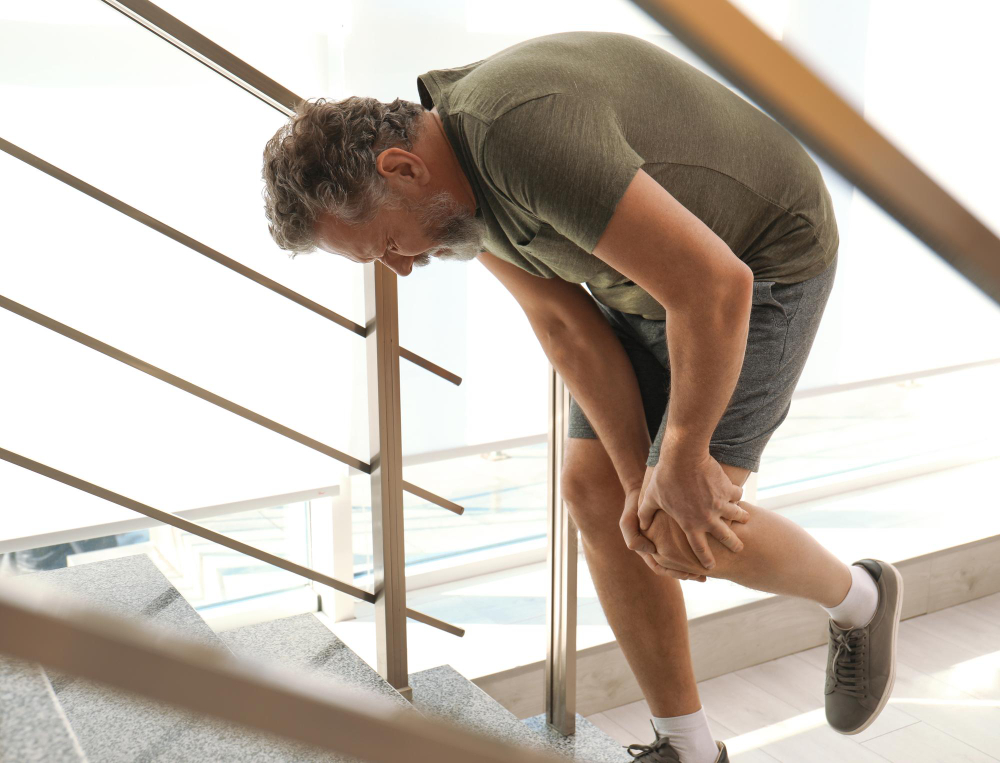
Many people notice knee pain while climbing stairs. This pain can make daily life harder. Sometimes, the pain is sharp or dull. Often, it gets worse when you go up or down stairs. For some, this pain is called patellofemoral pain syndrome. Understanding the cause helps you find relief and avoid more problems. In this blog, we will explore what patellofemoral pain syndrome is and how it affects your knees.
What Is Patellofemoral Pain Syndrome?
Patellofemoral pain syndrome is a common reason for anterior knee pain. The name may sound complex, but it is simple to explain. The patella is your kneecap. The femur is your thigh bone. This syndrome means you feel pain where your kneecap meets your thigh bone. Usually, the pain gets worse with activities like climbing stairs, squatting, or sitting for a long time. Doctors sometimes call it “runner’s knee,” but you do not need to be an athlete to have it. Anyone can experience this type of knee pain.
Common Symptoms of Patellofemoral Pain Syndrome
Not everyone feels the same symptoms. However, most people notice pain in the front of the knee. This pain often gets worse with certain movements. For example, you may feel discomfort when:
Sometimes, you might hear a popping or grinding sound in your knee. In addition, swelling can happen, but it is usually mild. If you notice these signs, it may be patellofemoral pain syndrome.
Causes and Risk Factors
Many things can lead to patellofemoral pain syndrome. For instance, overuse is a common cause. Repeating the same knee movements can strain the joint. Moreover, weak thigh muscles can make the problem worse. Other risk factors include:
Additionally, teenagers and young adults are more likely to get this condition. Women may also have a higher risk, according to orthopedic research. However, anyone can develop patellofemoral pain syndrome.
How Is Patellofemoral Pain Syndrome Diagnosed?
Doctors use several steps to diagnose patellofemoral pain syndrome. First, they ask about your symptoms and daily activities. Then, they examine your knee for pain, swelling, or tenderness. Sometimes, they may check how you walk or move. In some cases, imaging tests like X-rays or MRI scans help rule out other problems. However, these tests are not always needed. Most of the time, a careful exam and your medical history are enough for diagnosis. If you live in a city with orthopedic clinics, you can find help nearby.
Treatment Options for Knee Pain While Climbing Stairs
Treating knee pain while climbing stairs often starts with simple steps. Most people do not need surgery. Instead, doctors suggest:
Physical therapy is a key part of patellofemoral pain treatment. Therapists teach you exercises to build thigh and hip strength. In rare cases, surgery may be needed if other treatments do not help. However, most people feel better with non-surgical care.
Lifestyle Tips and Prevention
There are ways to lower your risk of knee pain while climbing stairs. For example, you can:
Additionally, if you notice pain, take a break and rest your knee. Early care can prevent the pain from getting worse. For more tips, you can talk to an orthopedic specialist in your area.